It’s been widely reported that Millennials have been killing different sectors of the economy. They don’t buy cable, they don’t opt for large scale homes, and they haven’t been eating canned tuna. They seem unconcerned that their spending habits are hurting industries, the effects of which are job layoffs, downturns in the stock market, and less capital for shareholders to hoard. Investors are less confident in propping up established industries and the private sector is feeling the hurt. Millennials have been spending less cash on nonessential goods and services due to inflation and stagnant pay increases, but they don’t seem to care that their lack of spending is crippling corporate profits. Their funds are being tied up in essential spending, and even though what Millennials consider “essential” is broader—including dinning out, travel, and fitness memberships—they still aren’t shelling out enough in sectors of the economy that matter—like the diamond trade. They willfully disregard the supply chains, causing disruptions in underpaid labor of foreign countries, and preventing the 1% from buying their fifth multi-million dollar home.

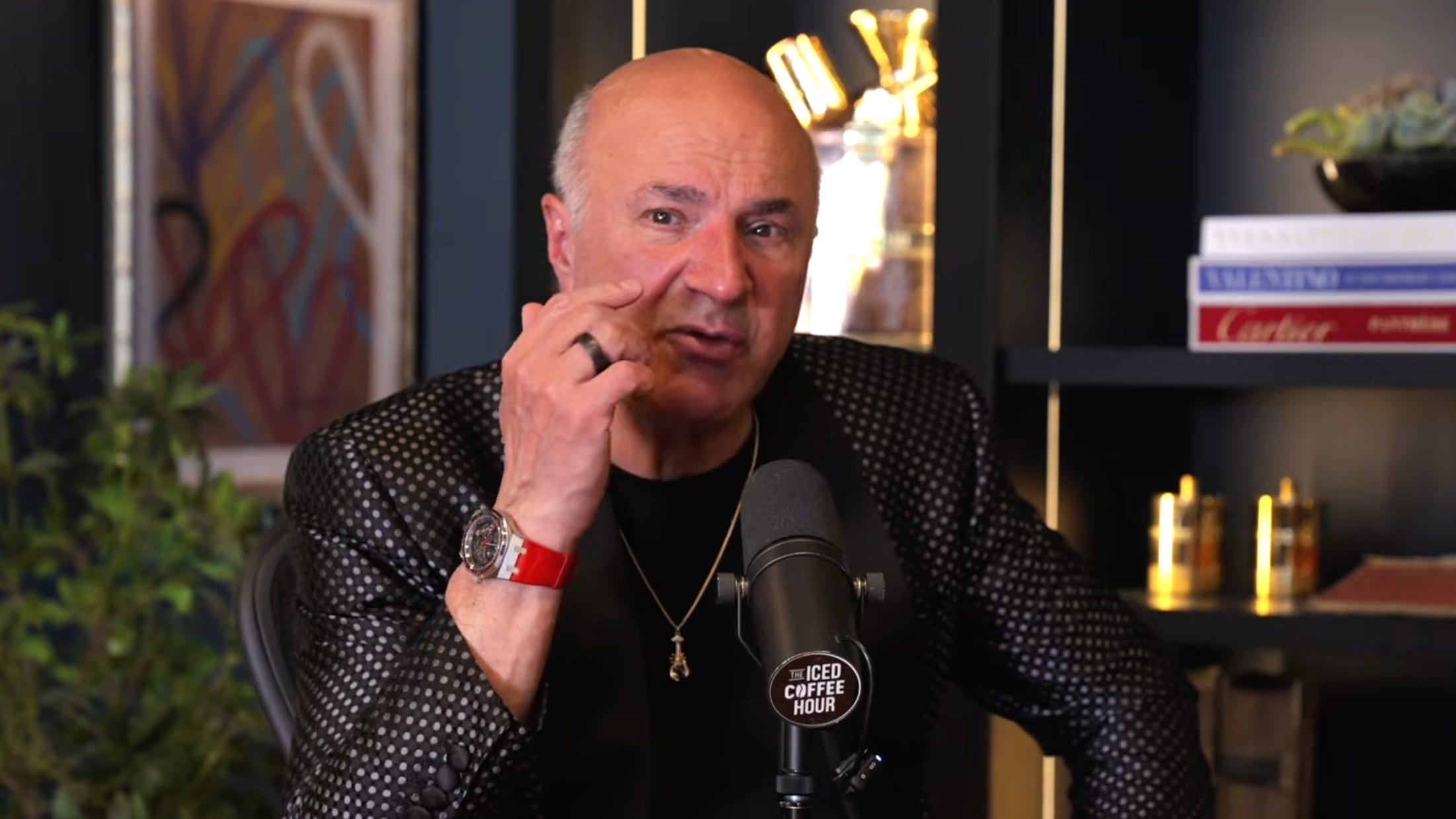
Millennials are the first generation to do worse financially than previous generations, but not the last. Gen Z, like Millennials, have not been blessed with wage growth and are being squeezed for disposable income. But their spending habits are different than their Millennial elders. They are dropping lots of cash on food delivery, they are splurging on the small luxuries because they want to treat themselves, but they can’t afford much. Many economists, such as Kevin O’Leary, have suggested that instead of superfluous spending on DoorDash they should instead invest in index funds; that way more capital can go to businesses and by the time Gen Z are retired they’ll be able to afford a modest home—just as long as they don’t all put out of the stock market all at once and cause a crash. However, if they were to invest, that would cause a loss in profits for the food delivery industry which has been steadily growing, and would, of course, hurt the private sector.
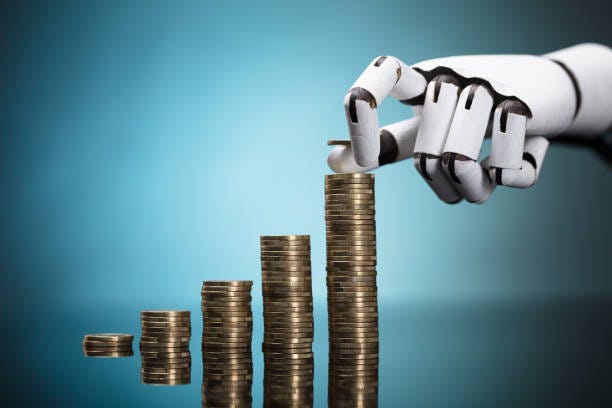
Gen Z has had difficulty entering into the labor market, corporations are looking to streamline production and are turning to automation for many jobs, this helps to keep costs down for consumers, who need to be buying more. Instead, Gen Z are living with their parents, stagnating spending on housing, transportation and food (they are simultaneously not spending enough on food and spending too much on food delivery). Shareholders, investors, and corporations are doing everything they can to continue economic growth and increase corporate profits: utilizing layoffs, stretching worker responsibilities, and curtailing wage increases. Even with all the hard work being done by job creators, Gen Z continue to have high unemployment numbers, they mismanage their meager finances, and are too scared to live with crippling debt for the rest of their lives.
A decade ago, one millionaire told Millennials they needed to stop buying avocado toast if they wanted to be home owners, and some have adhered to that directive. They were late to be home owners compared to previous generations, but as of 2025, 55% of them now own single family homes. And though they have high mortgages, they’ve been able to not completely kill the housing market and miraculously keep avocado toast on restaurant menus. Economists are perplexed at how Millennials have managed to keep the economy afloat, despite their lack of funds. Financial experts are at a loss for how to advise Gen Z given the example of Millennials, but know for certain they need to be spending more, saving more, and making more money. It may sound simple, but experts still don’t know what’s stopping this new generation. If Gen Z can stop ordering food delivery and start working a second part time job (like delivering for DoorDash), hopefully they can step up to start saving to buy their own homes while also increasing their spending. Investors can’t handle waiting much longer for their projects to yield profits, as they need more money to invest in burgeoning industries like the AI bubble and smart glasses. But Gen Z still seem bent on trying to destroy the economy.